Dining chairs are easy to overlook during a move, but they can take damage quickly if they are not wrapped the right way. Legs get scratched, joints loosen, and fabric can tear during loading and transport. Even when working with trusted movers, preparation still matters. This guide explains how to protect dining chairs before moving day so they arrive in good shape and are ready to use once they reach their new home.
Gather Necessary Supplies
Before wrapping anything, it helps to set out all packing materials in one place. Furniture pads or thick blankets protect surfaces from rubbing against other items. Plastic wrap keeps the padding from slipping off during transport. Packing tape helps hold everything together, and labels make it easier to identify chairs later. Having supplies ready makes the process smoother and avoids leaving parts of the chair exposed.
Disassemble the Chairs
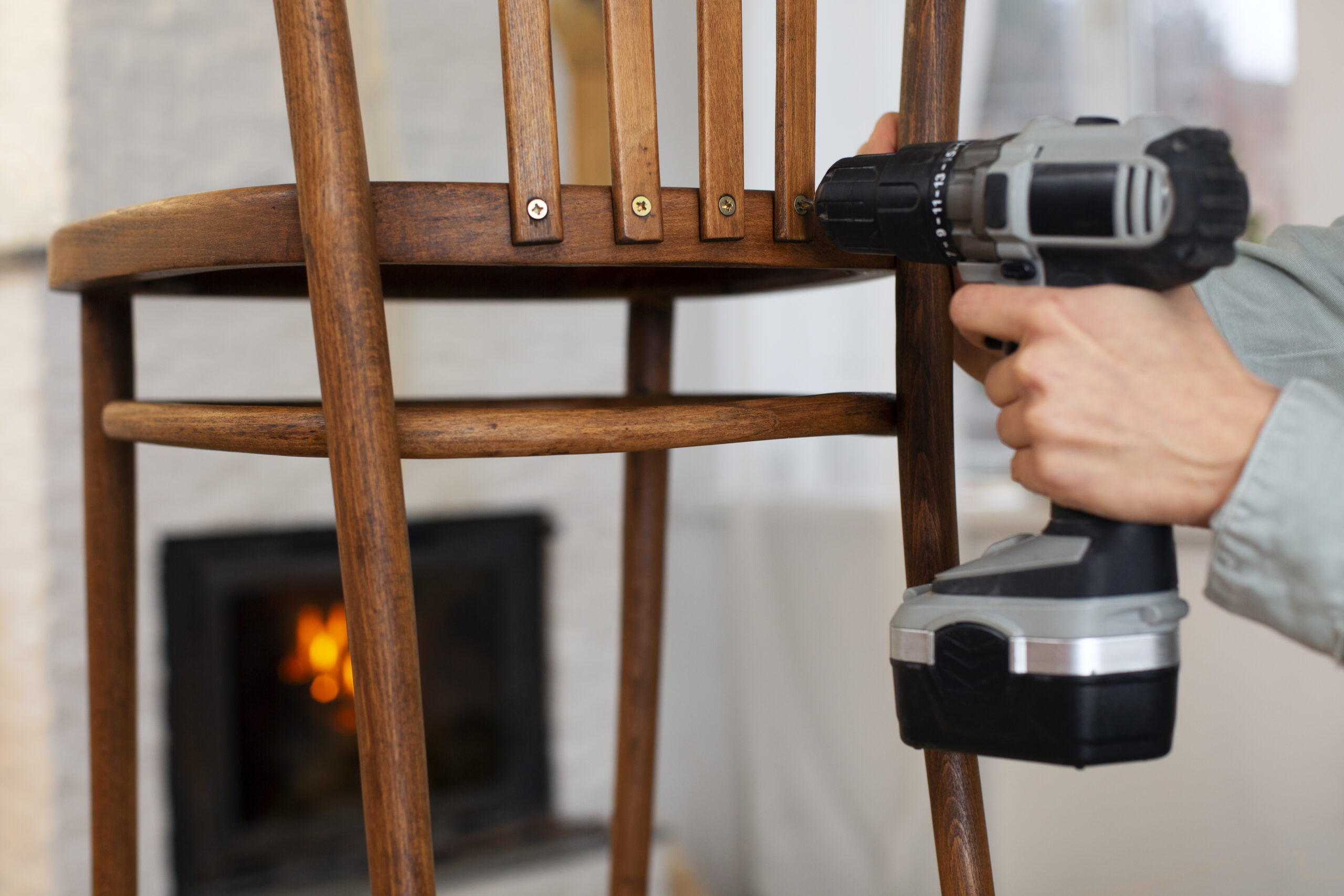
Some dining chairs are easier to move when taken apart. Screws or bolts are usually found under the seat or near the legs. Use the proper tools and work slowly to avoid damaging the hardware. Place screws and small parts in a labeled bag so they stay together. Taking chairs apart reduces stress on joints and makes wrapping more secure.
Protect Chair Legs and Backrest
Chair legs and backs tend to get bumped the most when furniture is moved. Wrapping those areas with padding helps prevent marks and small cracks. Blankets or bubble wrap work well, especially on corners. Make sure the padding stays in place, but don’t pull it too tight. Adding a little extra coverage near the joints can help keep the chair steady during transport.
Wrap Seat and Cushions
Seats and cushions should be clean and dry before wrapping. Dirt or moisture trapped inside can cause stains. Wrap the seat area with bubble wrap to absorb bumps during the move. Plastic wrap can be added to keep dust and moisture out. Make sure the wrapping fits snugly without flattening the cushion, so it keeps its shape.
Secure With Packing Materials
After wrapping the chair, check that nothing shifts when it is moved. Padding should cover the entire chair, especially areas that stick out. Tape should hold materials in place without pulling too tightly. Cardboard placed along the edges can help prevent dents. A securely wrapped chair is far less likely to be damaged during transport.
Label and Organize for Transport
Clear labeling helps movers place chairs correctly and reduces confusion during unloading. Mark each wrapped chair with its destination room and note if it needs special handling. Chairs that were disassembled should be labeled to indicate that the hardware is packed separately. Keeping chairs grouped together also helps prevent misplaced parts. Organized labeling speeds up unloading and makes reassembly easier once you reach your new home.
Related Topics: