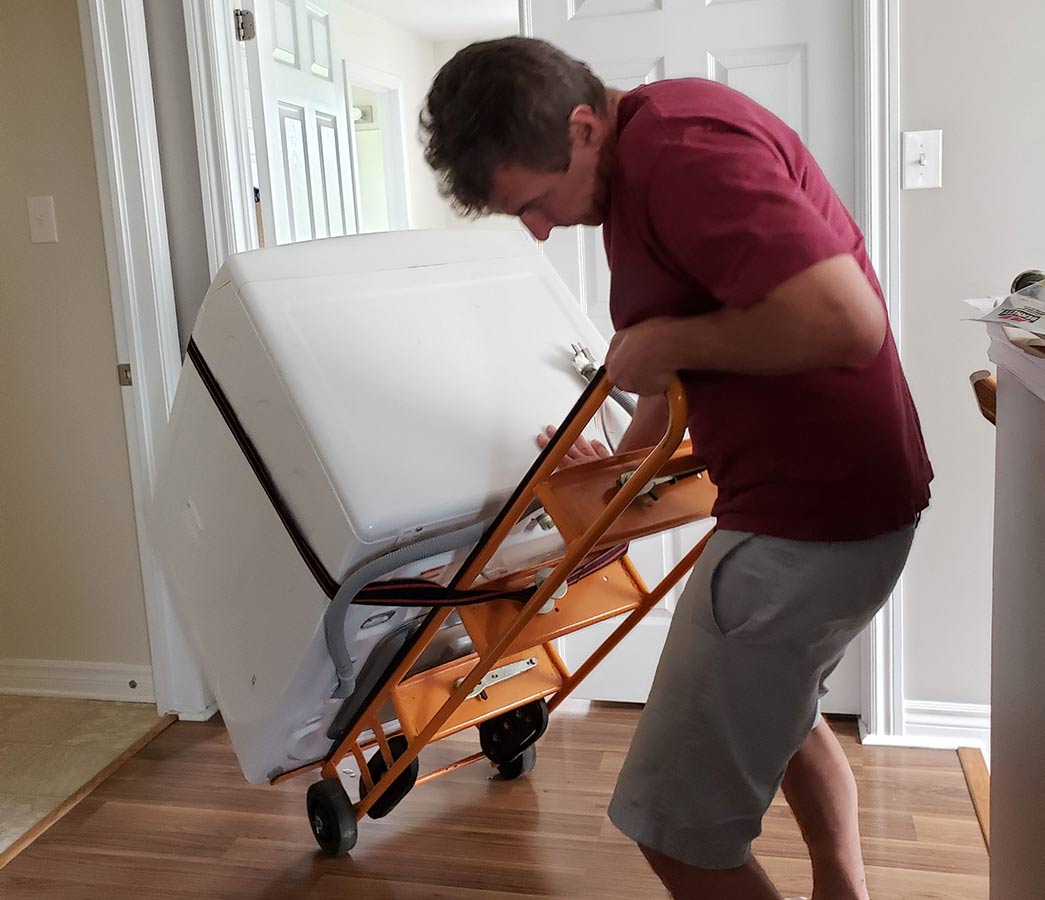
Moving heavy appliances can feel intimidating, but the right approach makes it manageable. Quality moving services follow specific techniques to protect both people and property during appliance relocation. This guide covers everything from proper lifting methods to securing items for transport. You'll learn when to use equipment and when to call for help. These steps ensure your appliances arrive safely at their new location without damage or injury.
Proper Lifting Techniques
Always use your legs when lifting heavy appliances, not your back. Start by checking the appliance's weight and planning your route to the new spot. Clear any obstacles from the path before you begin. Stand close to the appliance with your feet shoulder-width apart, then squat down. Keep your back straight, grab the appliance firmly, and lift with your legs while holding it close to your body. Don't twist while carrying the load. If the appliance feels too heavy, ask someone for help or grab a dolly instead. Protecting yourself from injury should always be your top priority.
Clear Pathways and Obstacles
Before moving any heavy appliance, clear the entire path from start to finish. Check the route the appliance will take and remove any obstacles in its path. Move furniture, rugs, and other loose items that could cause tripping hazards. Make sure doorways and hallways are wide enough for the appliance to fit through easily. Secure any loose cables or cords that might get tangled during the move. For steps or uneven surfaces, set up ramps or leveling devices to make the transition smoother. Taking time to clear pathways prevents accidents and makes the whole process faster.
Utilize Moving Equipment
A sturdy dolly or hand truck makes transporting heavy appliances much safer and easier. These tools reduce physical strain and lower your risk of injury. Here are three tips for using moving equipment effectively:
- Choose the Right Equipment: Select a dolly or hand truck that can safely handle the weight of your appliance. Ensure it has secure straps or grips to hold the appliance steady during transportation.
- Positioning Matters: Place the appliance securely on the dolly, making sure it's centered and balanced to prevent tipping. Use straps or bungee cords to keep the appliance in place.
- Move Slowly and Steadily: Push or pull the appliance at a steady pace, avoiding sudden movements that could cause it to shift or fall. Take breaks when you need them to stay in control and prevent accidents.
Secure Appliances for Transport
Securing your appliances properly prevents damage and ensures the safety of everyone involved during the move. Start by unplugging the appliance and ensuring that any moving parts are securely in place. Use strong moving straps or ropes to attach the appliance to a dolly or hand truck. For refrigerators and freezers, tape the doors shut or use appliance straps to keep them from swinging open. Pack any detachable parts separately to prevent them from getting lost or damaged. Wrap moving blankets or padding around the appliance to protect it from scratches and dents. A well-secured appliance means a smooth move with no damage.
Seek Professional Help If Needed
Hire professional movers if handling heavy appliances on your own feels risky or overwhelming. Professional movers know exactly how to transport large appliances safely and securely. Here are three reasons why getting professional help makes sense:
- Experience: Professional movers are trained specifically to handle heavy appliances, which reduces the risk of damage and prevents injuries.
- Specialized Equipment: Movers bring tools like appliance dollies, straps, and ramps that make the job safer and easier.
- Efficiency: Professionals work fast and get your appliances to their new location quickly and securely.
Test Appliances After Moving
Once you've moved your heavy appliances, test each one to make sure it still works properly. Check the power source and verify all connections are tight and secure. Test each appliance by running a short cycle or operation. For refrigerators, confirm the temperature cools correctly. Run dishwashers through a complete wash cycle to check for issues. Washing machines and dryers should complete a full cycle, and watch for leaks or strange noises. Ovens and stoves need to reach the correct temperature. If any appliance malfunctions, repair the issue promptly to prevent further damage. Testing ensures everything works and is ready to use in your new space.
Related Topics: