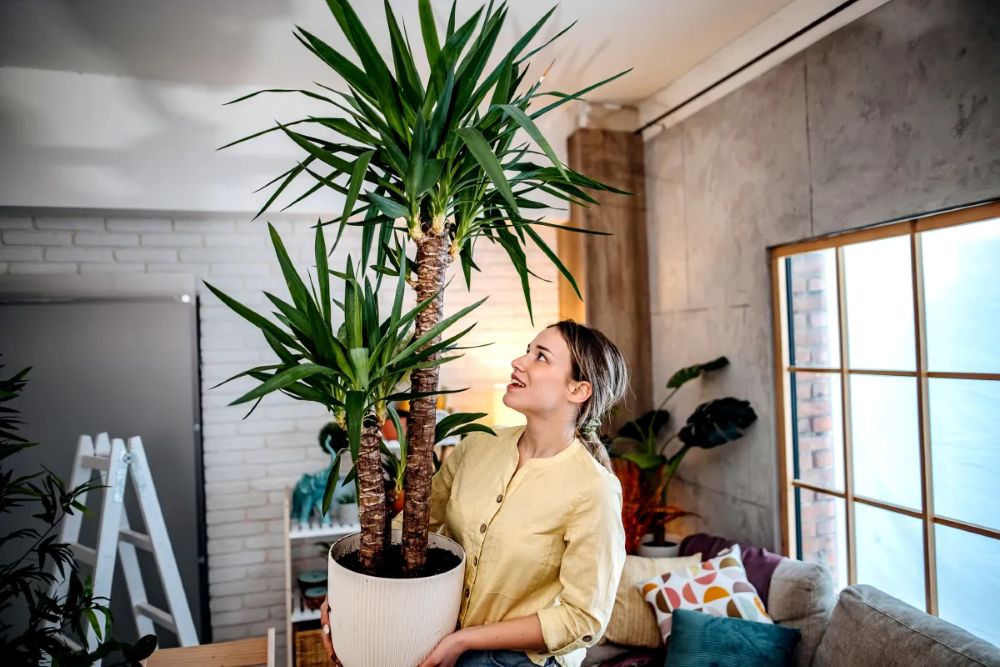
Relocating large plants takes careful planning and the right approach. Full-service movers often handle furniture and boxes, but your plants need special attention during a move. This guide walks you through everything from checking your plant's health to getting it settled in its new home. You'll learn how to pack, transport, and care for big plants during the moving process. With these tips, your greens will arrive healthy and ready to thrive in their new space.
Assess Plant Health and Size
Inspect your plant's health before relocating it to prevent potential future problems. Look at the leaves, stems, and soil for signs of disease, pests, or stress. Measure the plant's height, width, and how far the roots spread. Understanding your plant's size helps you plan the safest and most effective method of moving it. Consider the root ball size, its weight, and whether you'll require additional support during the move. A proper assessment makes the whole process smoother and protects your plant from damage.
Choose the Right Moving Supplies
The right supplies make all the difference when moving large plants. Get sturdy boxes or containers that support and protect your plants during transport. Select containers slightly larger than the current pot. This allows for some space without allowing the plant to shift too much. Soft materials, such as bubble wrap or packing paper, cushion the plant and prevent soil from spilling out. Strong packing tape keeps boxes closed and secure. For really big plants, a plant dolly or hand truck makes moving much easier. Match your supplies to your plant's size and weight for the best results.
Prepare Your Plant for Transport
Get your plant ready by trimming off any dead or damaged leaves. This encourages new growth and makes the plant lighter to carry. Check for pests and diseases, and treat any issues before the move to prevent them from spreading. Water your plant a day or two before moving, making sure it's hydrated but not soaking wet. Plants sensitive to temperature changes benefit from a breathable wrap that maintains stable conditions. If your plant sits in a heavy pot, transfer it to something lighter to make transport easier.
Secure Plants for Safe Journey
Keep your plants firmly in place to prevent them from shifting and sustaining damage during movement. Here's how to secure them properly:
- Use Plant Ties: Gently tie tall plants to stakes or supports to prevent them from tipping over.
- Add Padding: Place crumpled paper or bubble wrap around the plant's base for extra support.
- Fill Empty Spaces: Pack any gaps with packing peanuts or newspaper to prevent the plant from moving around.
- Protect with Plastic: Cover plants with delicate leaves using a plastic bag to shield them from wind damage.
These steps ensure the security of your plants and help them arrive safely at their destination.
Transporting Plants With Care
Proper placement in your vehicle prevents damage during the trip. Put larger plants on the floor where they can't tip over. Smaller plants go on flat surfaces with non-slip mats or wedged between other items. Keep plants away from direct sunlight and extreme temperatures by controlling the vehicle's climate. Water them enough to stay hydrated, but avoid excessive moisture, as it can cause root rot. Ensure air can circulate the plants to prevent suffocation. Drive carefully and avoid sudden stops or sharp turns that could cause plants to fall over. Following these steps ensures your plants arrive in good shape.
Re-Potting and Settling In
Help your plants adjust to their new home with these steps:
- Select the Right Pot: Choose a pot that is 1-2 inches wider than the current one to allow for growth.
- Use High-Quality Soil: Choose well-draining soil to prevent waterlogging and encourage healthy root growth.
- Handle with Care: Gently remove the plant from its old pot, being careful not to damage the roots.
- Settling In: After repotting, water the plant thoroughly, place it in its new spot, and watch for signs of stress, such as wilting or yellowing leaves.
These steps help your plants adjust smoothly and start thriving in their new surroundings.
Related Topics: