Moving heavy stuff is honestly kind of a pain, but if you do it right, it’s not the end of the world. I usually tell people to reach out to reliable movers if you can, just because they have the right tools and know what they’re doing. But even if you’re handling some of it yourself, you want sturdy boxes, strong tape, and some padding, bubble wrap, towels, or anything soft.
Wrap things individually so they don’t bang around. And the heavy things? They go on the bottom, lighter stuff on top. Seems obvious, but it’s easy to forget in the chaos of packing. When lifting, bend your knees, not your back. Keep a firm grip, move slowly, and don’t rush. And labeling, don’t skip it. Even a quick note on the box saves you from digging through a bunch of heavy stuff later. Little things like that make the whole process feel less like torture.
Proper Equipment Selection
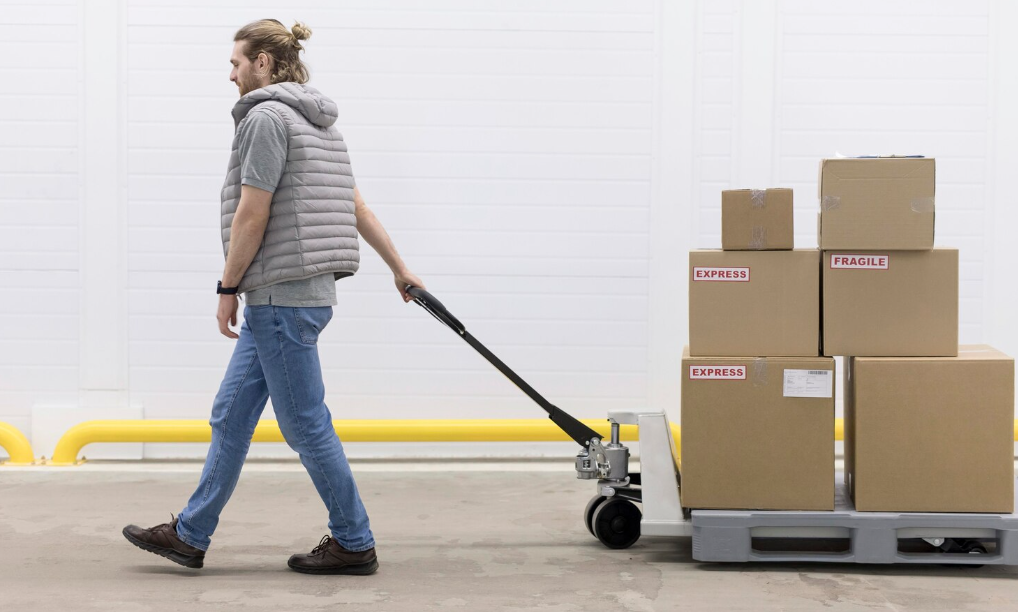
Okay, so gear. Strong boxes are obvious, but the tape matters too; don’t just slap some cheap stuff on and hope it holds. Bubble wrap or some padding stops scratches. If you’ve got big, awkward weights, a dolly or hand truck is a lifesaver. Seriously, it might feel like extra work to get those, but your back will thank you.
Furniture pads or blankets help with really heavy or delicate stuff. You don’t need fancy tools, just the ones that make it easier to lift without hurting yourself or smashing your weights.
Secure Packaging Materials
Boxes, tape, and padding, that’s really it. Wrap each weight if possible, and fill any empty space so things don’t slide. Tape the boxes on all sides so they don’t open halfway through the move. Honestly, I usually spend a few extra minutes on this part because once you start lifting, you don’t want surprises. It’s a little thing, but it saves a lot of frustration.
Weight Distribution Strategy
Heavy on the bottom, light on top. Yeah, I said it before, but it really matters. Spread the weight evenly across your boxes if you’ve got a lot. You don’t want one box that’s like 100 pounds and another that’s barely anything.
Odd-shaped stuff can be tricky; tuck it in where it fits snugly. If something feels like it might tip, put more padding in. This isn’t rocket science, but planning the weight keeps things from sliding around and saves your back.
Lifting and Carrying Techniques
When you’re actually moving the boxes, slow down. Bend your knees, not your back. Firm grip. Two hands if you can. Don’t twist mid-lift. And check the path first; nothing is worse than carrying a heavy box and tripping over a cord. Take breaks if you need them. Better to take a minute than to hurt yourself and drop everything.
Labeling and Organization Tips
Labeling isn’t glamorous, but it saves hours later. Write down the room or just what’s inside. A quick list of boxes helps if you’re packing a lot. Heavier items on the bottom, lighter on top.
Group similar stuff together. Clear bins for smaller weights are nice too. Honestly, I’ve learned that a little organization up front makes unpacking feel like a breeze instead of a nightmare.
Loading and Unloading Procedures
Clear the path. Seriously, check it twice. Lift carefully. Talk to anyone helping you, so everyone knows what’s going on where. Don’t rush. Take a moment if a box feels awkward or too heavy.
The fewer surprises, the smoother the whole thing goes. It’s easy to get stressed during a move, but planning a bit and moving slowly keeps everything safer and easier.
Related Topics: