When moving to a new home, it helps to take a close look at what we actually own and decide what to keep, donate, or toss. Even though it seems straightforward, it can get messy fast if you’re not careful. Starting with the essentials and sentimental items makes things less overwhelming. While going through things, I also think about practical ways to move.
Sometimes, hiring Atlanta’s best movers makes everything easier, especially when there’s just too much to carry on your own. For items you don’t want, check their condition before donating or selling. Knowing where to give them so they actually help someone else is useful, too. And make sure to follow local recycling and waste rules to finish the process responsibly.
Assess Your Belongings
Go through your rooms slowly, one at a time. It’s tempting to rush, but each item deserves a quick thought. Ask yourself if it’s useful, or if it’s just sitting there out of habit. Some things have sentimental value, and it’s okay to keep them. Create a simple mental or physical category for items: keep, donate, or discard.
Items you haven’t used in the past year are usually good candidates to let go of. For donations, make sure things are in decent shape. Broken or worn-out stuff should be discarded properly. The main goal is to clear out clutter and only move what really matters to your new space.
Sort and Categorize Items
Sorting can actually be satisfying. Put similar items together and assign them a spot in your temporary piles or boxes. You’ll start seeing patterns, stuff you forgot you had, and things you definitely won’t need. Think about using different areas of the house as temporary sorting stations.
When you separate belongings by usefulness or emotional connection, packing later becomes smoother. It also makes it easier to decide what to sell, donate, or toss without feeling overwhelmed in the last-minute chaos.
Decide What to Keep
Keep what makes sense for the life you want in the new home. Useful items that get regular use go straight into the “keep” pile. Sentimental things, like family photos or gifts that actually mean something, can stay too.
The trick is being honest with yourself; don’t bring things just because you feel you should. Decluttering this way makes the move less stressful and lets your new home feel fresh. Only what genuinely adds value gets carried along.
Donate or Sell Unwanted Items
Unwanted items don’t have to go to waste. If they’re in decent shape, donating or selling them is a win for both you and someone else. Check that items are in good enough condition to be useful.
For things you sell, see what similar items are going for so you don’t overprice or undervalue them. Picking donation spots that actually help people nearby is worth the effort. Even small contributions feel better when you know they’ll get used.
Recycle and Dispose Responsibly
Stuff that can’t be donated or sold still has options. Recycle electronics, metal, and other materials instead of tossing them in the trash. Big items like old furniture need proper disposal, so check local guidelines.
You might even get creative with yard sales and free items to neighbors before finally letting things go. Taking a little extra time here keeps the move sustainable and gives a sense of closure.
Organize Packing and Moving Process
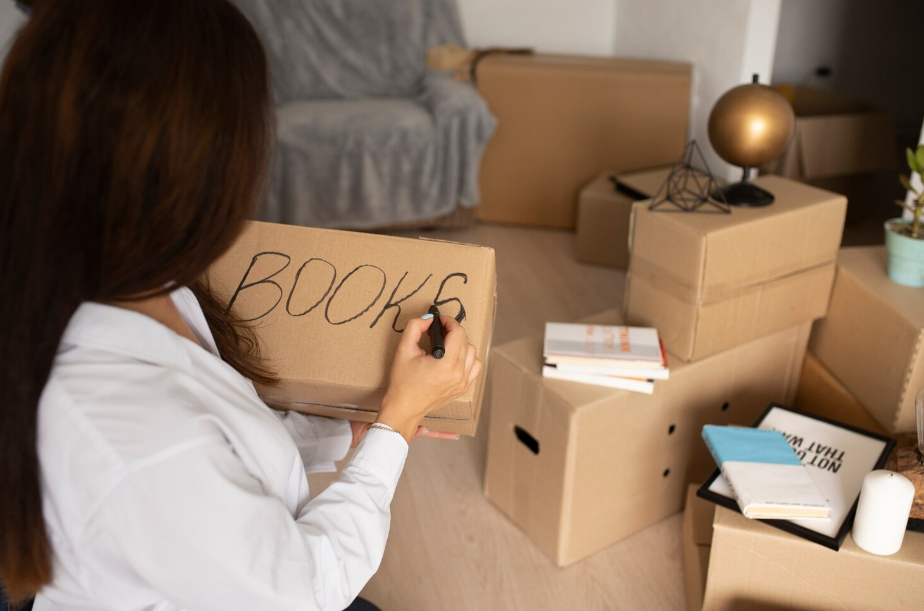
Once everything is sorted, the packing itself goes faster. Keep boxes labeled with what’s inside and where it should go in the new house. Put essentials like toiletries, a change of clothes, and important documents in a separate spot so they’re easy to grab.
Planning the packing in small chunks, room by room, keeps stress low. The more organized you are, the smoother it all feels, and it makes moving day less of a scramble.
Related Topics: